
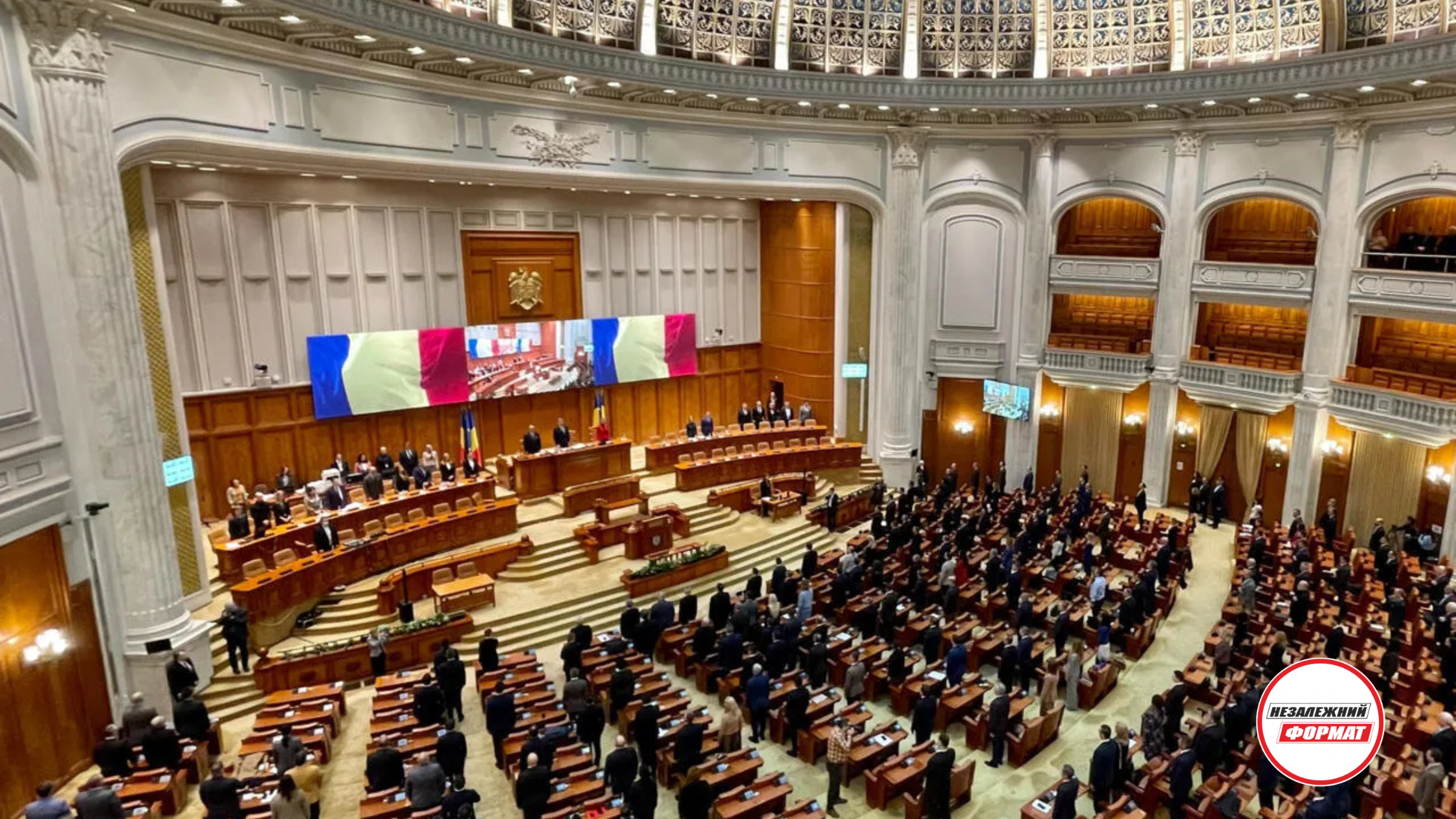
The Romanian Parliament has dismissed the pro-European government
Bucharest, May 5, 2026. Parliament passed a vote of no confidence in Prime Minister Ilie Bolojan’s government by a record 281 votes (with 233 required, 4 against). Bolojan left the chamber and returned to the government residence.
The joint session of the Chamber of Deputies and the Senate lasted from 11:00 a.m. to 2:00 p.m. The initiators—the Social Democratic Party (PSD) and the far-right AUR—accused the Cabinet of Ministers of “ruining the economy, impoverishing the people, and selling off state assets.”
Timeline of the crisis
The crisis began on April 20: the PSD (the largest party in the coalition) withdrew its support and called on Bolojan to step down. On April 23, seven PSD ministers (including Deputy Prime Minister Marian Neacu) resigned.
Bolojan (of the PNL) rejected calls for his resignation, accusing the PSD of “provocation.” The government had survived six no-confidence votes in 10 months, but this time the coalition collapsed.
Bolozhan will serve in an acting capacity with limited authority until the president appoints a new prime minister.
Reasons: the economy and reforms
The PSD and AUR criticized the VAT increase, the elimination of employee benefits, inflation, and cuts to social spending. Romania had a deficit of 7.9% of GDP (the highest in the EU), and its investment rating was falling. The EU demanded fiscal consolidation.
The reforms included an audit of state-owned companies and a reduction in administrative staff—a toxic move for the PSD, which has a strong presence among public sector employees.
Consequences for the country and the region
Romania is facing a new crisis ahead of the elections. The pro-European coalition (PNL-PSD-UDMR-USR) has split; the PSD may form a government with AUR or the left.
For Ukraine: Bolozhan supported arms supplies and grain transit. The new government may be pro-Russian (Fico’s PSD is close to Orbán).
Economy: The European Commission’s forecast of 1.1% GDP growth in 2026 depends on stability.
Source: European Truth / Digi24.

